Configuration Management with Ansible
Managing a single computer is simple. You turn it on, install your favorite software, update your apps when prompted, and fix errors as they happen. Imagine you buy a new laptop. You install Chrome, V

Search for a command to run...
Articles tagged with #devops
Managing a single computer is simple. You turn it on, install your favorite software, update your apps when prompted, and fix errors as they happen. Imagine you buy a new laptop. You install Chrome, V

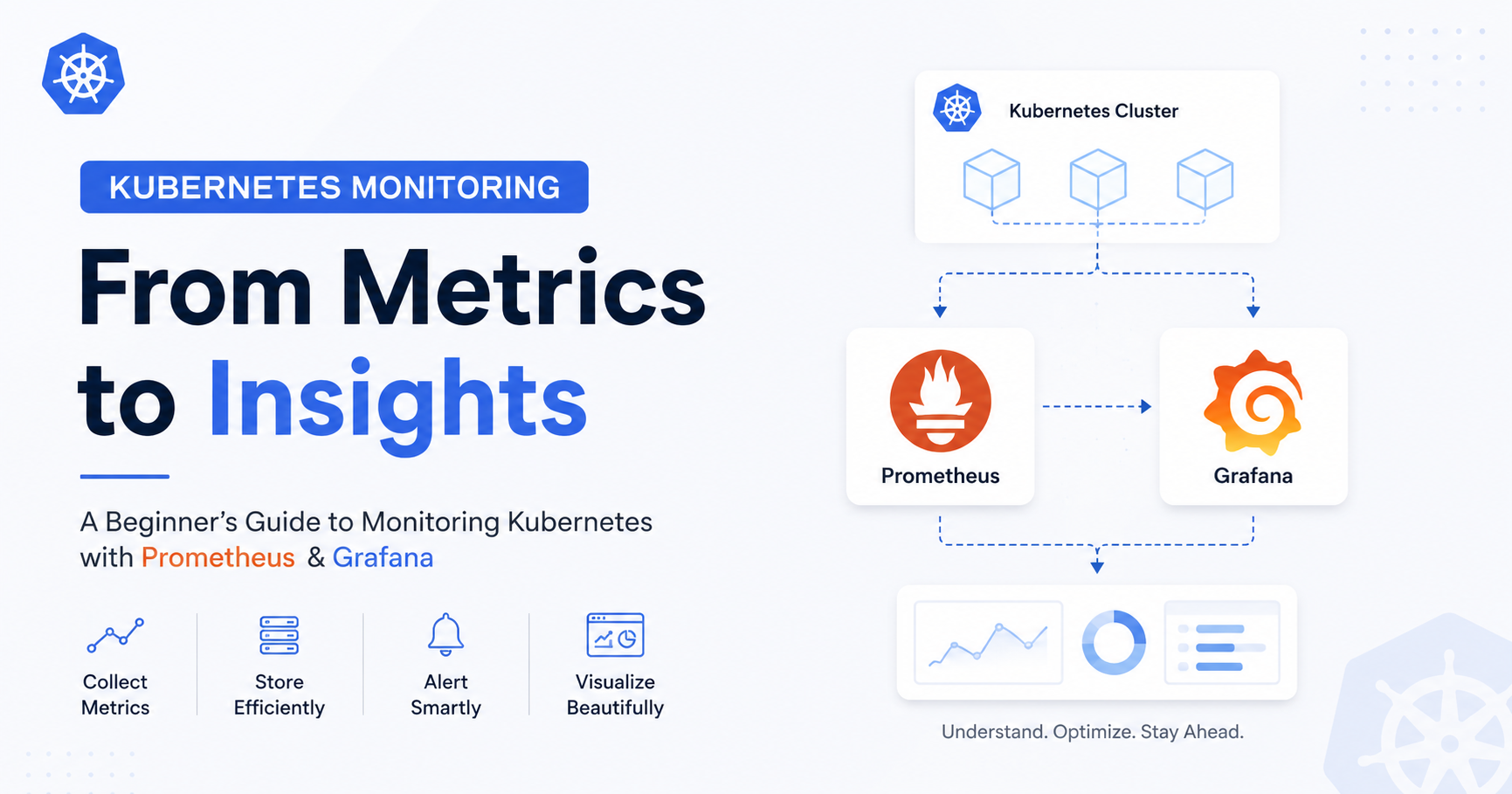
Deploying applications to Kubernetes is only half the job. The other half is knowing how those applications are performing after they're running. Introduction Imagine you've deployed your application

When you deploy an application to Kubernetes, the application usually needs more than just its code to run. For example, it may need: The environment it's running in (development, testing, or product

When first learning Kubernetes, most tutorials show how to deploy applications by writing YAML files and applying them with kubectl apply. This works well for small projects. But in real production en

Kubernetes is incredibly powerful right out of the box. But one of its greatest strengths is that it doesn't limit you to its built-in features. If you need Kubernetes to do something it cannot do nat

If you have been practicing Kubernetes locally using tools like Minikube or Kind, you are probably used to having full administrative control right out of the box. You can create, modify, and delete a